Creativity, Collaboration, and Dialogue: Art in Dialogue with Faith and Reason
What is A R T F A R? Coined from three key words - art, faith and reason, ARTFAR is acronym for "Art as a Response to Faith and Reason", relabelled "The Art of Faith and Reason" in its project title, a title that reveals its roots in the Catholic intellectual tradition which inspired it as a contemporary artistic practice situated within an aesthetic theology of Revelation - God's self-disclosure to humanity through creation and the incarnation. As an artistic practice that resides in the interplay between theology and the arts, ARTFAR in its theory and praxis embraces faith and reason as a twofold point of departure, not only for exploring religious understanding and human experiences through creativity, collaboration, and dialogue, but also for redefining relationships and historical tensions, such as those between faith and reason, theology and philosophy, religion and science, God and humanity, evangelisation and culture, church and state, the human and historical, the spiritual and the social, doing so in ways that apply faith and reason across diverse contexts. ARTFAR seeks to demonstrate the idea of 'faith seeking understanding' through artistic creativity, collaboration, and dialogue - three trajectories which can foster not only the search for truth, meaning, and purpose, but also positive relationships across diverse contexts. The ARTFAR project builds on the relationship between faith and reason. using this as a paradigm of all human relations. The purpose of ARTFAR is not only to create space where religious and moral truths can be rationally examined not only through philosophically inquiry, but also through a deep-seated creative logic founded on the interplay of theology and the arts, but also to explore various ways in which the world's religious, cultural, and political landscape can be shaped by faith and reason, two forces which correspond to the universal principles of truth and justice and can provide the moral order necessary for fostering beauty and moral order in a society. By exploring art as a response to the truths of faith and reason as divinely revealed in the sacred Scripture, handed on in the Christian tradition, and transmitted to every human culture by the magisterium - the teaching authority of the Catholic church, the purpose of ARTFAR is to bring the scope and depth of faith and reason to bear on contemporary relevance across diverse contexts, creating space for dialogue between doctrine and logic. evangelization and culture, as well as religion and politics, doing so in ways that emphasise the centrality of human beings among created things, centrality which flows from their identity as rational, moral beings created in the image of God with a mission to know, to love, and to serve, with a sense of purpose and the hope of ultimate fulfilment in their creator God. As an artistic practice that straddles the concept of faith and reason - doctrine and logic, ARTFAR draws on Catholic social teachings among other resources in order to address challenges that are both faith-based and secular, offering pathways to personal growth in faith and religious understanding in relationship with God, while creating space where these two forces - faith and reason, doctrine and logic- can shape the world of religion, culture, and politics. As humanity faces new challenges in technology, ethics, and global governance, the balance of faith and reason will remain the decisive factor in shaping our collective future. The Art of Faith and Reason proposes that the relationship and tension between faith and reason are not merely academic or abstract concepts; they correspond to the relationship between God and humanity and to the moral values of truth and justice, love and peace which are the core values for shaping a just society. Taking faith and reason as a measure of our humanity, ARTFAR is interested not only in the abstract concepts of faith and reason as paths to contemplation, truth and transcendence, but also in faith and reason as a measure of our humanity, a humanity that is created as rational, moral beings by the God of justice, love, and peace. In a world that seearches for meaning, truth and moral order, faith and reason cannot remain an abstract theological and philosophical concept, but must be shown to be a living and driving force for spiritual growth and social transformation - two goals which ARTFAR hopes to achieve through human artistic creativity, collaboration, and dialogue. A contemporary artistic practice that embraces creativity, collaboration, and dialogue has no other mission than to deploy 'art-in-dialogue-with-faith-and-reason' in the task of preaching God's Word, using this as an overarching platform for its practice as well as a response to the mission of the Church in the modern world as expressed by the Second Vatican Council, particularly in its document 'Gaudium et Spes' - Pastoral Constitution on the Church in the Modern World, where the subject of faith and reason is applied across diverse contexts and presented as a living experience in human history, highlighting not only the spiritual and intellectual character of these two absolutes, but their pastoral and missionary nature as well. Inspired by such a robust mission such as this conciliar document suggests, ARTFAR is interested not only in the abstract concept of faith and reason as paths to transcendence and the contemplation of truth, but also in that human and historical subject called 'people of faith and reason' - a conceptual frame of reference suggested by this practice and used to refer to the world of "the human family seen in the context of everything which envelopes it...the world as the theatre of human history, bearing the marks of it's travail, it's triumphs and failures" (Vatican II, Gaudium et Spes, 1-2). Inspired by the beauty and harmony of faith and reason, and by drawing on the scope, depth, and relevance of faith and reason for our contemporary world, the mission of ARTFAR is to create space for building relationships across diverse contexts through creativity, collaboration, and dialogue, emphasising how faith and reason are not opposed but rather correspond to the principles of truth and justice - the core values for establishing moral order in a society. A contemporary art practice that takes on faith and reason as a twofold point of departure aims to address challenges that not only issue from religious and moral truths, but also those affecting the whole of humanity as well, using art-making as a response. Faith and reason are subjects that are proper to human beings and are arguably the measure of our humanity. "It is [the human being], therefore, who is the key to this discussion," humanity "considered whole and entire, with body and soul, heart and conscience, mind and will" (Vatican II, Gaudium et Spes, 3). Through its 'art-in-dialogue-with-faith-and-reason' platform, ARTFAR proposes a more robust approach to theology and contemporary art practice, seeking to introduce new perspectives and fresh understanding in various areas of both disciplines . By organising or participating in art exhibitions locally or internationally, and by developing community based art projects inspired by the beauty and harmony of faith and reason, ARTFAR invites the whole human family to invest in a vision that goes beyond theology and the arts, for faith and reason correspond to the universal principles of truth and justice, love and peace which are the core drives for building a just society and for protecting the human dignity of all peoples.
About us
A R T F A R: Art as a Response to Faith and Reason
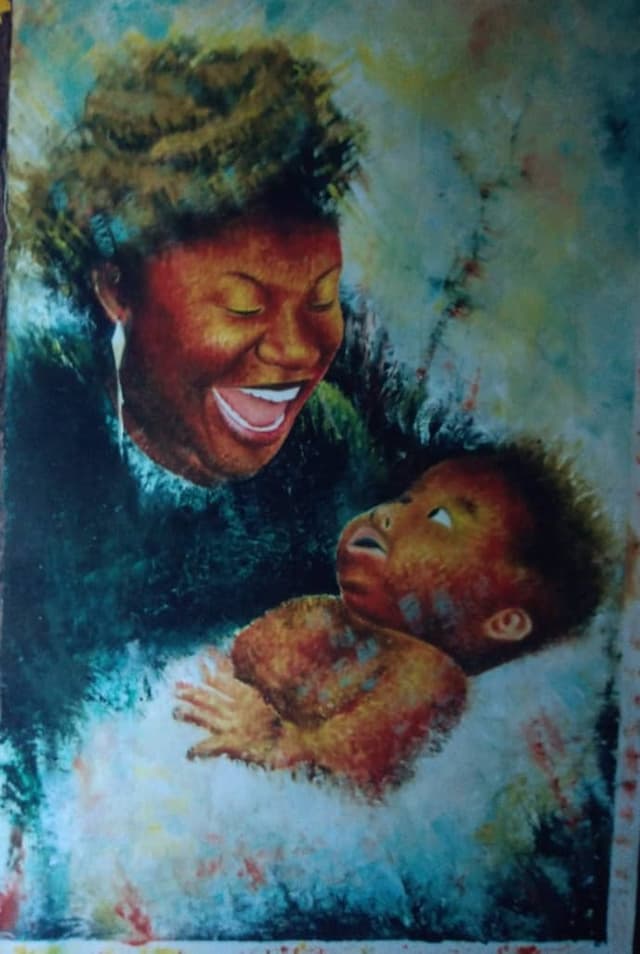
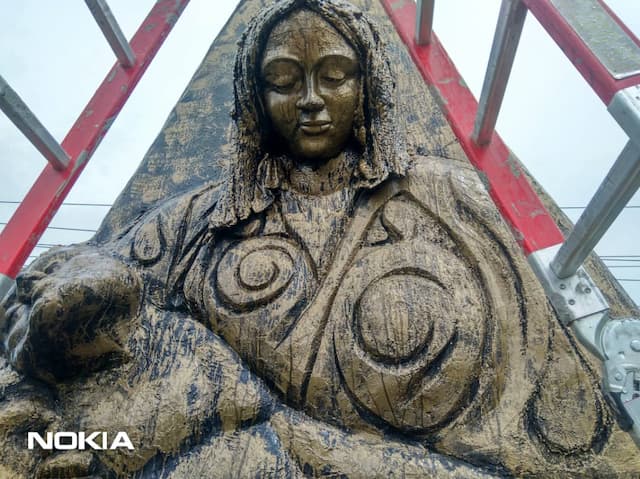
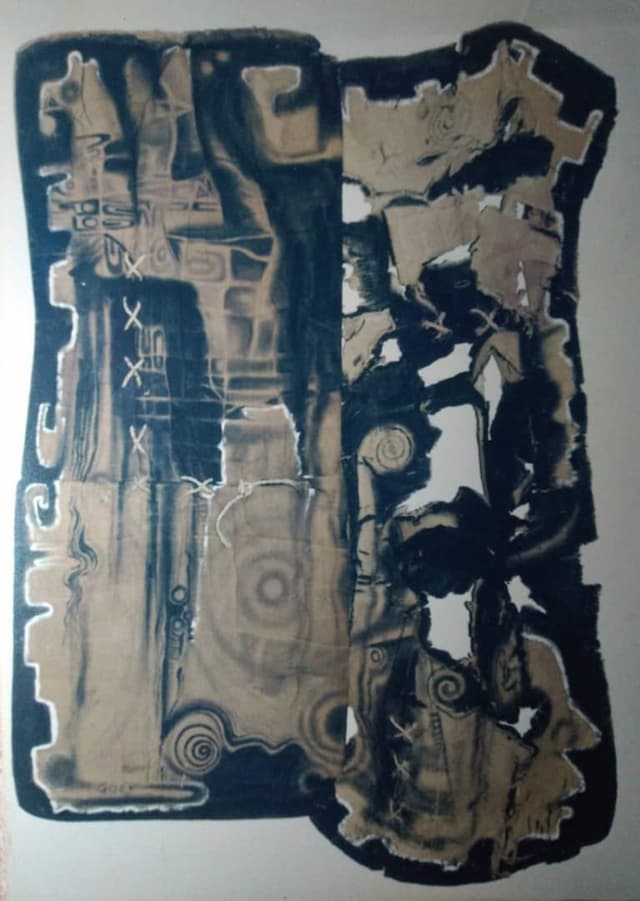
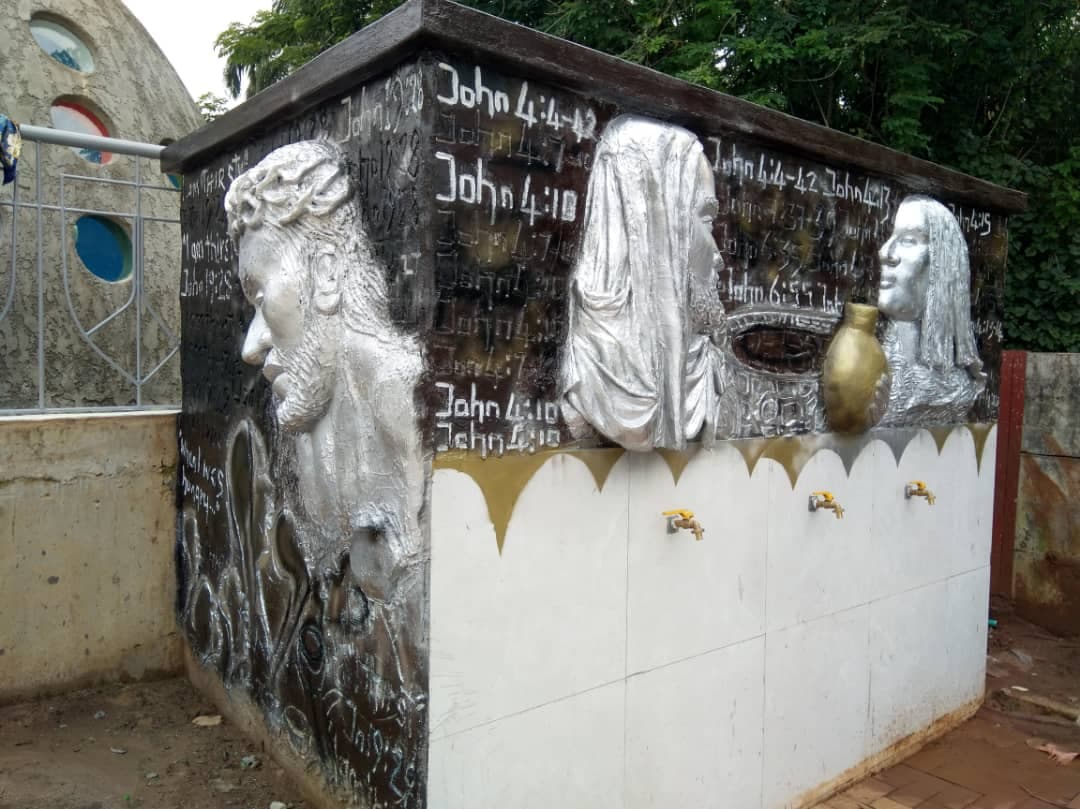
Art, faith, and reason are three key words which form the acronym ARTFAR. Inspired by Thomas Aquinas' synthesis of theology and philosophy, and Pope John Paul II's encyclical letter Fides et Ratio 1 on the relationship between faith and reason, ARTFAR was originally conceived as a work-in-progress art project under the Confirmative Praxis module in view of a Master of Art degree - MA Fine Art, Contemporary Dialogues, at the Swansea College of Art, its body of works exploring concepts that are both religious and rational, using artistic principles and creative language that are non medium-specific to address not only those fundamental, religious and moral. questions that challenge human life, but also those matters arising from historical and contemporary human conditions. Using non medium-specific approach to materiality, medium, and praxis, encompassing creativity, collaboration, and dialogue, the Master's degree ARTFAR project explored, at its first public show, diverse religious and social themes, using sculptural installations, music and spoken words to demonstrate how the relationship between faith and reason can be applied across diverse contexts, shaping silenced human experiences into dominant narratives, having been curated and judged suitable for public dissemination through the "Illumine" exhibition - an interdisciplinary art exhibition by the 2024 /2025 final year Master's degree students of the Swansea College of Art, University of Wales Trinity Saint David. Building on the success of ARTFAR, Gerald Isiguzo, OP - a Catholic priest, a Dominican artist from South-Eastern Nigeria, and a member of the Dominican Order of Preachers - one of the oldest Catholic religious Orders in the world, well known for its contributions to the Catholic intellectual tradition aside its mission of preaching God's Word for the redemption of the whole human race Embracing faith and reason as a twofold point of departure for exploring religious understanding and human experiences across diverse contexts - through creativity, collaboration, and dialogue, ARTFAR is a contemporary art practice that addresses not only the world of religion and Christianity, but the world of our shared humanity "seen in the context of everything which envelopes it" (Vatican II, 'Gaudium et Spes', 2), including its spiritual and cultural heritage. Using 'art-in-dialogue-with-faith-and-reason' as an overarching platform and the modus operandi - the creative model for this practice, the mission of ARTFAR is to deploy the broad spectrum of human artistic creativity as a response to the mission of the Catholic Church in today's world, addressing issues of genuinely human concerns in the light of the Gospel, particularly as inspired by one of the sixteen documents of the Second Vatican Council which took place between 1962 and 1965 - the document 'Pastoral Constitution on the Church in the Modern World.' And so ARTFAR's primary mission is to give eloquent artistic expression not only to the religious and moral truths contained in this document, but to those genuinely human concerns of today's world as well, showing how the Catholic Church's "solidarity and respectful affection for the whole human family" expresses the harmonious relationship between faith and reason across diverse contexts, using art as a response. In seeking to carry out this mission, the work of ARTFAR takes on the form of creativity, collaboration, and dialogue within the context of theology and the arts, exploring religious and social concerns through the visual arts (sculpture, installation, painting), live performance (music, spoken words, storytelling, theatre), and exhibitions and conferences, while using 'art-in-dialogue-with-faith-and-reason' as an overarching platform for this practice. With its robust, expansive and interdisciplinary approach - one that goes beyond medium-specific boundaries, the ARTFAR project is designed to be able to assimilate and expresses the subject of faith and reason in wide range of contexts. In the face of the challenges of everyday life, ARTFAR becomes a dominant narrative, expressing "the joy and hope, the grief and anguish of [people] of our time, especially of those who are poor or afflicted in any way". Amidst human indifference, ARTFAR emerges as a response, expressing "a feeling of deep solidarity with the human race and its history", doing so in ways that reveal it's historical and contemporary conditions - "the marks of its travail, it's triumphs and failures". In a world of conflicts, tensions and relations, ARTFAR offers a unique approach to dialogue, using 'art-in-dialogue-with-faith-and-reason' as a platform to invite all people to invest in a vision that goes beyond theology and the arts. Our goal is to invite all 'people of faith and reason' - the whole human family - to invest in a vision that goes beyond theology and the arts, working together to promote the harmony of faith and reason not only in the Christian spiritual life, but in the social scheme of things as well.
Mission Statement
ARTFAR's Mission is to invite people to invest in a vision that goes beyond theology and the arts, doctrine and logic, or using 'art-in-dialogue-with-faith-and-reason' as a primary means of exploring understanding and experiences, and yet, doing so in ways that apply the harmony of faith and reason across diverse contexts. ARTFAR holds the conviction that the relationship between between faith and reason is not merely an abstract concept, but one that has real-world implications for a society in search of truth and meaning, justice and peace, fulfillment and purpose, as well as those humanitarian efforts to promote the common good and the human dignity of all people. Inspired by the Christian doctrine on the relationship between faith and reason, ARTFAR aims to deploy both theology and human artistic creativity in the task of preaching God's Word, and yet, through it's platform of 'art-in-dialogue-with-faith-and-reason' - the key model and central approach of this practice - ARTFAR seeks to demonstrate that religious and moral truths of the Christian faith are not opposed to the truths of human reason which, in the natural world and social scheme of things, promote the rational and moral virtues of truth and justice, love and peace. In a contemporary world that tends to undermined the scope, depth, and relevance of that harmonious relationship between faith and reason, ARTFAR emerges as a response to those challenges that are not only religious and moral, but also human and historical such as evil and pain, suffering and death, amidst joys and hopes for a humanity that is said to be "wounded but not destroyed". To develop community art projects that not only promote evangelisation and culture, but also create space for building sustainable, positive relationships across diverse contexts, through creativity, collaboration, and dialogue. To express and celebrate the beauty and harmony of faith and reason, using these as a twofold point of departure for preaching God's Word through a magnificent pairing of theology and the arts. To make a real contribution by aiming to introduce new theological perspectives in contemporary art, using 'art-in-dialogue-with-faith-and-reason' as a platform for contemporary discourse, where creativity, collaboration, and dialogue can meet to drive positive change across diverse contexts.
To invite people to invest in a vision that goes beyond theology and the arts, working together to promote the fundamental principles of Christian morality across diverse contexts, showing that the Christian vision of the relationship between faith and reason is not merely an abstract concept, but one that has real-world implications for our relationship with God our creator and with the whole human family bearing the mark of its historical and contemporary conditions.

Our Founder i ponds to the needs of human person as a social and religious being who constantly yarn for social connections, spiritual upliftment and consummate pleasure or happiness.
The acronym ARTFAR is a conceptual metaphor for exploring how “Art responds to faith and reason” in ways that highlights the social and spiritual conditions of our common humanity and also responds to the needs of human person as a social and religious being who constantly yarn for social connections, spiritual upliftment and consummate pleasure or happiness.
Let’s Create Something Beautiful Together